Article
Static vs Dynamic QR Codes: Why Your Business Needs to Make the Switch

Last month, a restaurant owner came to us frustrated. They’d printed 500 table tent cards with QR codes linking to their summer menu. Two weeks later, they wanted to update prices and add new items. With static QR codes, their only option was reprinting everything.
This story plays out constantly across businesses worldwide. The choice between static and dynamic QR codes isn’t just technical-it directly impacts your marketing flexibility, customer insights, and bottom line.
The Static QR Code Reality Check
Static QR codes work like old-school business cards. Once printed, the information is locked in permanently. When someone scans the code, their phone reads the data directly from the pattern-no internet required, no flexibility allowed.
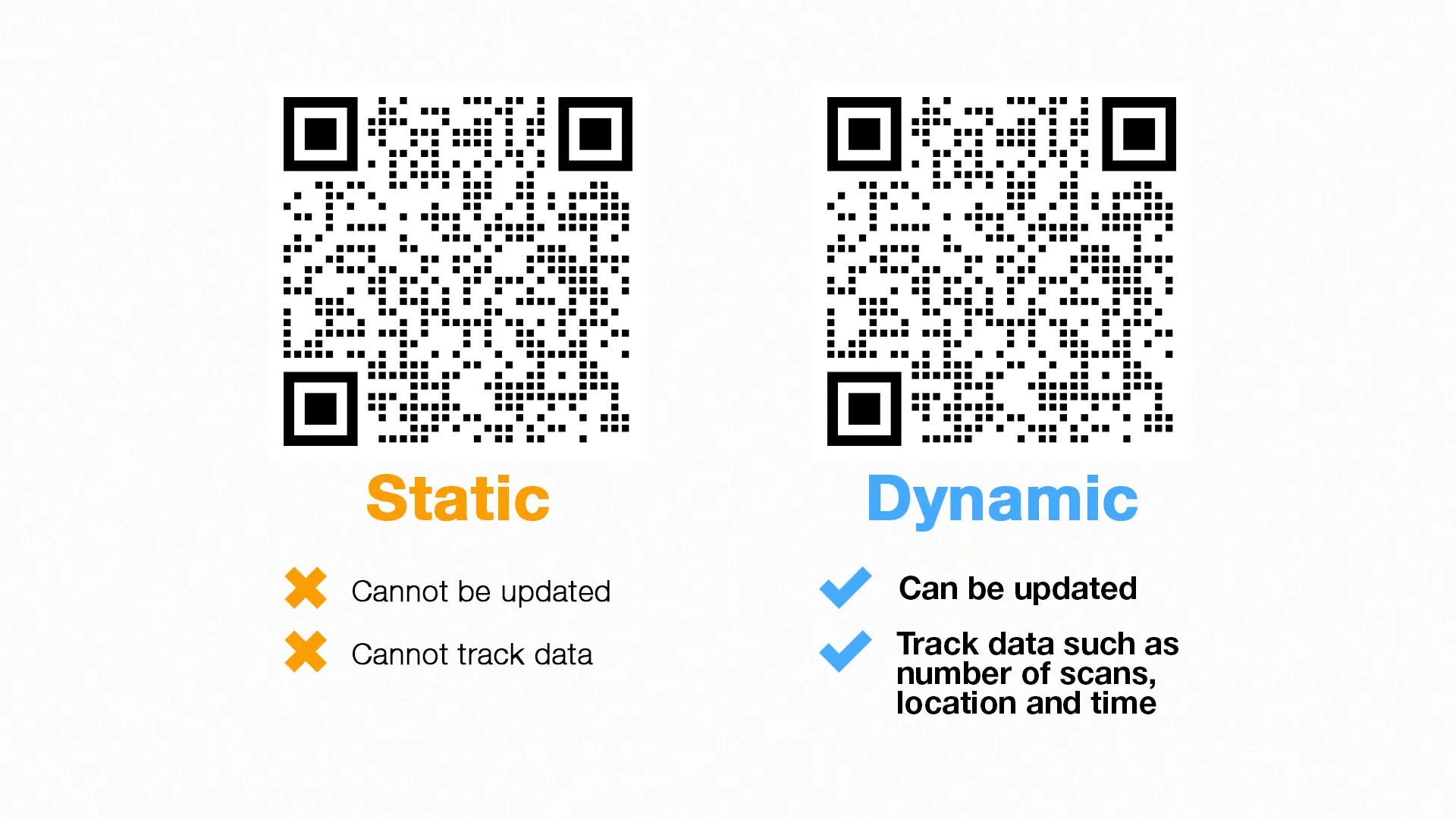
We’ve seen businesses learn this the hard way: a fitness studio that couldn’t update their class schedule QR codes when COVID restrictions changed, a retail chain that missed Black Friday because they couldn’t quickly modify their promotion links.
Static codes serve a purpose, but that purpose is increasingly limited in today’s fast-moving business environment.
Dynamic QR Codes: Your Marketing Swiss Army Knife
Dynamic QR codes contain a short URL that redirects to your actual destination. This simple difference changes everything. Instead of encoding your full website URL into the QR pattern, the code points to something like qrc.page/promo2024 or promo2024.qrc.events, which then redirects to wherever you want.
At Linkflow, we’ve watched businesses transform their marketing strategies with this approach. One client updates their QR codes 3-4 times per week, rotating between product launches, sales, and seasonal campaigns-all without reprinting a single code.
The Feature Showdown: What Actually Matters
| Feature | Static QR Codes | Dynamic QR Codes |
|---|---|---|
| Content editing | Print new codes for any change | Update instantly from your dashboard |
| Analytics tracking | No data-you’re flying blind | Device type, location, scan times, referral sources |
| URL appearance | Ugly long URLs make dense codes | Clean, branded short links |
| Professional appearance | bit.ly/3xK9mP2 screams spam | newsletter.lflow.co/december builds trust |
| Campaign management | Each campaign needs new codes | One code, endless destinations |
| Cost per update | $50-200 in reprinting costs | $0 with dynamic management |
Real-World Analytics That Matter
Here’s what dynamic QR codes tell you that static codes never could:
- When your audience engages: Our analytics show most B2B QR scans happen Tuesday-Thursday, 10am-2pm. Consumer businesses see peaks during evening hours and weekends.
- Where interest comes from: Geographic data helps optimize local campaigns. One client discovered 30% of their scans came from a neighboring city they’d never targeted.
- How people find you: Tracking referral sources reveals whether QR codes work better in print ads, social media, or email campaigns.
These insights aren’t just numbers-they’re strategy goldmines. When you know 60% of your scans come from mobile devices in coffee shops, you optimize accordingly.
The True Cost of Static Thinking
Let’s talk real numbers. A mid-sized business typically spends:
- $200-500 on initial QR code printing (business cards, brochures, signage)
- $150-300 per update when campaigns change
- $0 on analytics and optimization insights
With Linkflow’s dynamic system, that same business pays $8-19/month and gets:
- Unlimited updates across 25-75 premium links a month
- Detailed analytics showing exactly how campaigns perform
- Professional branded URLs that build trust instead of skepticism
One restaurant client saved over $2,000 in reprinting costs alone. Their ROI covered the annual subscription many times over in the first month.
When Static Makes Sense (Spoiler: Rarely)
Static QR codes still work for truly permanent information:
- WiFi passwords (though dynamic lets you update these when security requires)
- Emergency contact information (assuming it never changes)
- Basic business information (until you move, change phone numbers, or update services)
Essentially, static codes work when you’re 100% certain the information will never change. In business, that certainty rarely exists.
Making the Switch: Easier Than You Think
The biggest barrier to dynamic QR codes isn’t technical-it’s psychological. Business owners worry about complexity, but modern platforms eliminate these concerns.
With Linkflow, creating a dynamic QR code takes 30 seconds:
- Enter your destination URL
- Choose from 12+ professional domain extensions or use your own
- Customize your QR design with your brand colors and logo
- Download and start using immediately
When you need to update the destination, log in and change it. Your printed QR codes instantly redirect to the new location.
The Professional Difference
Generic URL shorteners like bit.ly train customers to be suspicious. When someone sees bit.ly/3xK9mP2 in your marketing, they hesitate. They wonder where it really leads.
Compare that to newsletter.lflow.co/december-updates or promo.qrc.events/holiday-sale. These URLs communicate intent, build trust, and reinforce your brand every time someone sees them.
This isn’t just aesthetic, it’s practical. Email providers, social media platforms, and security systems treat professionally branded URLs more favorably than generic short links.
Beyond QR Codes: Link Strategy That Scales
Smart businesses use dynamic QR codes as part of a broader link management strategy. Your QR codes, email campaigns, social media posts, and print advertising all benefit from the same underlying system.
At Linkflow, we’ve built this holistic approach from day one. Whether you need 5 links per month or 75, whether you’re tracking scans or optimizing campaigns, the platform scales with your business without requiring technical expertise.
The choice isn’t really between static and dynamic QR codes, it’s between reactive and proactive marketing. Static codes force you to react to changes by reprinting and restarting. Dynamic codes let you proactively test, optimize, and adapt in real-time.
Your marketing deserves that flexibility.